Groundwater Versus Sewage: Two Different Floods
Low lying blocks near the Spicket River and through South Lawrence take water two ways, and the fix is different for each.
Groundwater intrusion is hydrostatic. Saturated soil pushes water through the cold joint where the basement floor meets the wall, through slab cracks, and up through the footing drain. It arrives slowly, it is clean, and it is a sump pump problem.
Sewer backup is different. When the municipal main surcharges during heavy rain or a downstream blockage, sewage backs up the building lateral and comes out at the lowest opening in the building. It arrives fast, it is contaminated, and no sump pump will stop it, because the sump discharges to daylight or a storm system and has nothing to do with the sanitary lateral.
Aroso Plumbing Lawrence gets called for both. The diagnostic question is simple: was the water clear or was it foul, and did it come up through the floor or out of the floor drain and the lowest fixture.
The Sump Pump Side
A working sump system has more than a pump in it.
Pit sizing. A sump pit should generally be at least 18 inches in diameter and 22 to 24 inches deep, with a perforated liner set below the slab and gravel around it. Undersized pits are the most common defect in older Lawrence basements, often a 5 gallon bucket set into the floor. A pit that is too small means the pump cycles constantly, short cycling burns the motor, and the float has no travel to work with. Pump life drops from years to months.
Pump type. A submersible pump sits in the pit and is quieter and more common now. A pedestal pump keeps the motor above water and is easier to service but louder. For sewage or laundry below the sewer line, the correct device is an ejector pump with a sealed, vented basin, not a sump pump. Sump pumps are not built to pass solids and the pit must not be open to sewage.
Discharge line and check valve. After the pump shuts off, the column of water standing in the vertical discharge wants to fall back into the pit. A check valve in the discharge stops it. Without one, the pump refills its own pit, cycles again, and never rests.
Check valve slam and water hammer. A spring loaded check valve closing hard against a fast moving column of water produces a bang you can hear upstairs, and that shock loads the discharge piping and the pump. A soft close or silent check valve, or a swing check placed correctly, cuts it. Persistent banging every time the pump stops is not normal and eventually breaks a fitting or a joint.
Exterior termination. This is the failure that catches people in a Merrimack Valley January. The discharge exits the foundation and terminates outside. If it terminates flat on the ground, near grade, or into a buried line that holds water, it freezes solid. The pump then runs against a plugged pipe, overheats, and the basement floods with the pump running. The termination needs to be above expected snow line, angled down, free draining, with no low spot holding standing water, and ideally with an accessible relief or freeze fitting near the foundation.
Battery backup. Power fails during exactly the storms that fill the pit. A battery backup pump with its own float, sitting slightly above the primary, is the standard answer. Check the battery annually. A water powered backup is an option only where municipal supply pressure is adequate and a proper backflow preventer is fitted, because it is a cross connection.
Backwater Valve Versus Check Valve
This is the distinction that matters most and the one most often missed.
A check valve on a sump discharge protects a pump. It sits on a small pressurized line and does nothing for the sanitary system.
A backwater valve is installed in the building sewer, usually in the basement floor near where the lateral leaves the building, with an access cover. It has a hinged flapper that swings open for normal outbound flow and closes when flow reverses. When the municipal main surcharges, the flapper seats and holds sewage out of the building.
Requirements and cautions:
- It must be accessible. A backwater valve buried under a poured slab with no cover is a future excavation.
- It needs periodic inspection. Debris, wipes and grease foul the flapper open, and a fouled valve is no protection at all.
- While it is closed, nothing in the building can drain. Every fixture upstream backs up into the building instead. Occupants need to know not to run water during a surcharge event.
- Fixtures above street grade generally should not be routed through it, which is why partial protection covering only basement fixtures is often the right design.
When It Becomes a Damage or Health Issue
Groundwater in a finished basement is a property damage and mold issue, and it moves fast in wood frame housing. Sewage backup is a health issue, and cleanup is not a mop and bucket job. Contaminated water in contact with drywall, carpet, insulation or stored belongings means removal, not drying.
The urgent situations:
- Water rising while the pump is running. Frozen or blocked discharge, or a failed check valve. Get to the exterior termination.
- Pump running continuously and never satisfying. Undersized pit, discharge restriction, failed check valve, or a groundwater volume the pump cannot keep up with.
- Foul water at the floor drain or the basement toilet, especially during heavy rain. That is a sewer condition, not a sump condition. Stop using water in the building and call.
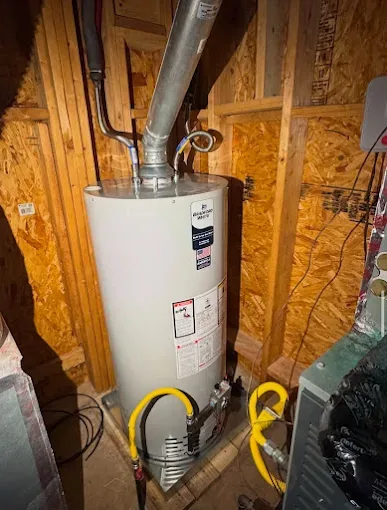
- Any electrical panel, furnace, boiler or water heater at risk of being reached by rising water. Kill power at the panel if it can be reached safely, and get out.
Annual maintenance is short: pour a bucket of water in the pit to confirm the float and pump cycle, listen for slam at shutoff, check the check valve for backflow, walk outside to confirm the discharge is clear, and test the backup battery.
Frequently Asked Questions
Will a sump pump stop sewage backing up into my basement? No. A sump pump moves groundwater from a pit that is not connected to the sanitary lateral. Sewer backup from a surcharged municipal main is stopped by a backwater valve installed in the building sewer.
Why does my sump pump bang when it shuts off? That is check valve slam, the pump's water column reversing and hitting a closing valve. A soft close or silent check valve fixes it. Left alone, the repeated shock eventually splits a joint in the discharge line.
How often should a sump pump be replaced? Most residential pumps run 7 to 10 years, less if the pit is undersized and the pump short cycles. Any pump that has run continuously through a flood event should be inspected rather than assumed to be fine.
Our [Sump Pump](https://arosoplumbinglawrence.site/services/sump-pump) page covers pit sizing, discharge routing and backup options for basements that take water every spring. If your basement takes water more than once a season, it is worth having the whole system looked at rather than swapping the pump again.
More guides
[Cast Iron Drain Stacks in Merrimack Valley Three Deckers and How to Tell When One Is Failing
Cast iron drain stacks in three deckers rarely fail all at once. They thin from the inside, weep at …](https://arosoplumbinglawrence.site/blog/cast-iron-drain-stacks-in-merrimack-valley-three-deckers-and-how-to-tell-when-one-is-failing) [Galvanized Supply Pipe: Why Water Pressure Drops in a 100 Year Old House
Galvanized steel supply pipe rusts closed from the inside over 50 to 70 years. The pressure at the s…](https://arosoplumbinglawrence.site/blog/galvanized-supply-pipe-why-water-pressure-drops-in-a-100-year-old-house) [Lead Service Lines in Older Massachusetts Cities and How Replacement Actually Works
A lead service line is the pipe running from the water main in the street to the meter in your basem…](https://arosoplumbinglawrence.site/blog/lead-service-lines-in-older-massachusetts-cities-and-how-replacement-actually-works)