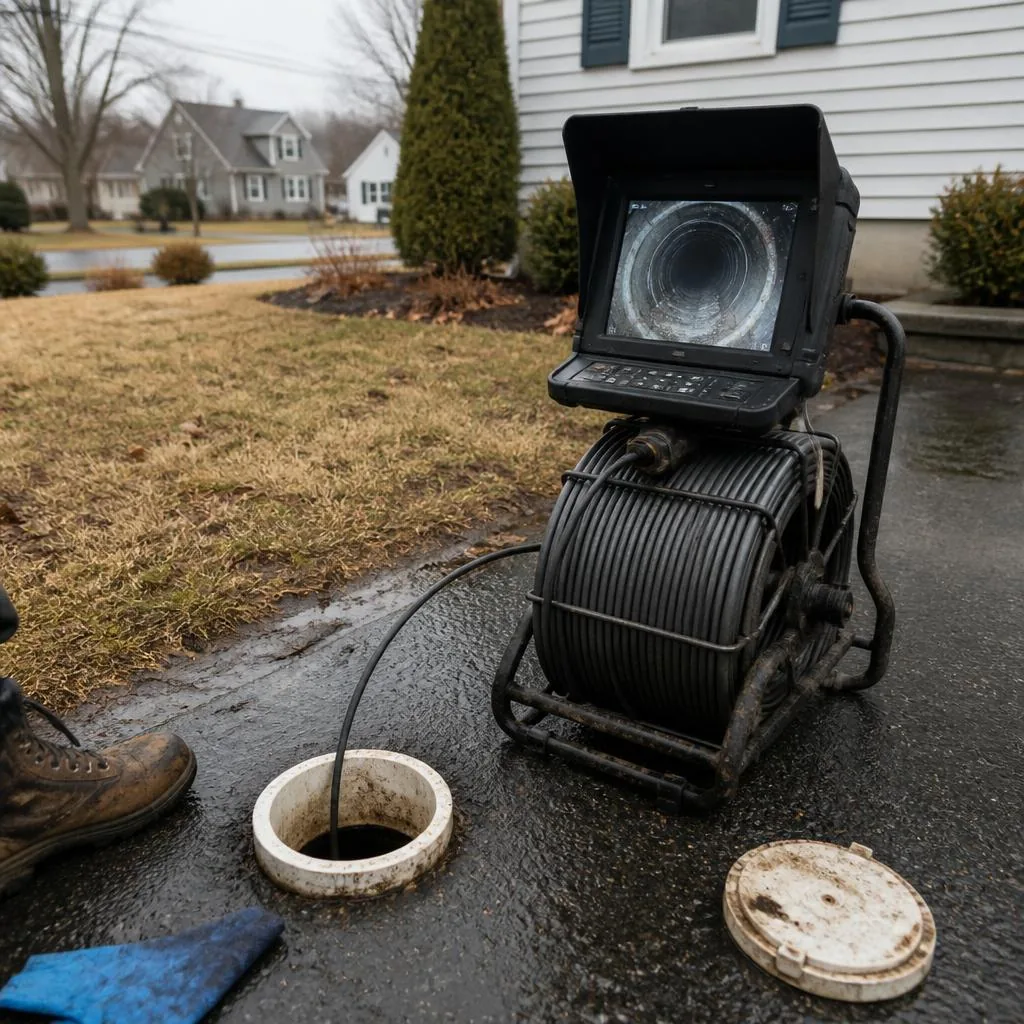
Aroso Plumbing Lawrence uses hydro jetting where a cable will not do the job: greasy kitchen lines, sludged mains and heavy buildup that has narrowed a pipe over years. A jetter pushes water through a hose at pressures typically between 1500 and 4000 psi, with a nozzle that fires most of its jets backward. Those rear jets pull the hose up the line and scour the pipe wall as they travel, so the pipe comes back closer to its original diameter instead of just passing water through a channel. We camera the line before jetting, because the pipe has to be structurally sound to take the pressure, and we camera it again afterward to confirm the wall is clean. We also check the cleanout, the vent and where the line goes, since a jetter has to be able to discharge somewhere.
Lawrence generates a lot of jetting work for reasons tied to the buildings. Restaurants along Essex Street and Broadway and commercial kitchens in converted mill buildings downtown put fryer grease, emulsified soap and food solids into drains that were laid for a very different use. Grease cools in an unheated basement or a long horizontal run and plates onto the pipe wall, and once the diameter starts closing the interval between backups gets shorter every month. Cast iron mains in old three deckers and mill buildings scale internally with a rough tuberculated surface that catches everything passing through. Low lying blocks near the Spicket and in South Lawrence push silt and grit into floor drains and storm lines, and roof drains on flat mill roofs collect debris that no cable will move. Jetting handles all of that because it removes material rather than punching through it.
Jetting itself is maintenance work and generally does not require a permit, but what it uncovers often does. Under 248 CMR 10.00, any repair or replacement of drain, waste and vent piping is permitted work inspected by the City of Lawrence Inspectional Services Department, so if the camera run after jetting shows a cracked hub, a broken section of cast iron at the basement floor line or an illegal fixture connection made during some past renovation, that correction gets permitted and inspected. Grease interceptor requirements for food service also sit under code and are looked at during inspection, and a kitchen whose interceptor is undersized for its current menu will keep loading the line no matter how well it is cleaned. On the discharge side, anything jetted out is wastewater going to the Greater Lawrence Sanitary District, so solids and grease are captured and handled rather than washed down a storm drain.
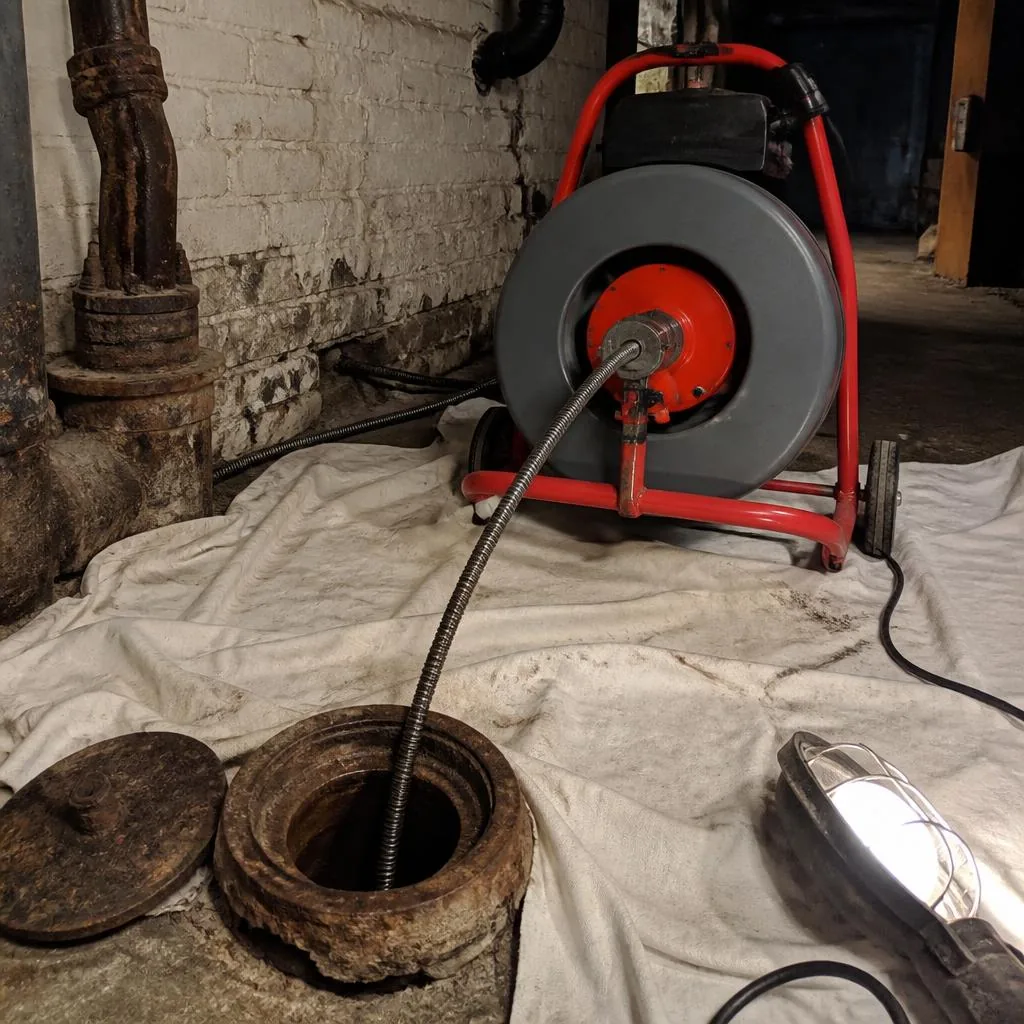
What separates jetting from cabling is not just power, it is what you leave behind, and that is where judgment matters. A cable or sectional machine bores a hole through a blockage and restores flow immediately, which is exactly right for a fixture or branch line clog or a root mass. It is the wrong tool on a grease line, because the grease ring is still on the pipe wall and will close again. Jetting is wrong in other places. We do not jet a line the camera shows as cracked, badly offset or Orangeburg, because pressure will find the defect and can wash soil into the pipe or blow the joint apart. Cast iron rotted thin at the floor line is another one to leave alone. Practical field problems: jetting through a 1 1/2 inch trap arm is not realistic, you need a real access point, and running a jetter into a line with a downstream restriction pushes water back up the closest fixture, so we identify where the water is going before we pull the trigger. On a busy kitchen, we also stage the work so the line has somewhere to drain while we are in it.
Technician insight
The tell that a line needs jetting instead of a cable is what comes back on the cable head. If it is a clean ring of hard grease shaped like the inside of the pipe, you just drilled a hole through a wall of it and you will be back in six weeks. I also watch the closest floor drain the whole time the hose is in the line, because in these old basements it is the low point, and if a downstream restriction is sending water backward you will see it there first. In an unheated basement I run hot water through the line ahead of the jetter when I can, since cold grease is closer to candle wax than anything you want to fight at 3000 psi.
Floor drains flooding in a mill building basement
The manager of a converted mill building called about water standing in the basement every time it rained hard, coming up through the floor drains rather than in through the walls. The camera showed the buried storm line packed with silt and leaf pack from the flat roof leaders, with the pipe reduced to a narrow channel along the bottom. Cabling had been tried and had only bored a passage through the middle of it. We jetted the run in passes back to the access pit, pulled the sediment out at the cleanout rather than pushing it downstream, and re cameraed to confirm bare pipe wall. The building went on an annual cleaning before leaf season.
Hydro Jetting Services We Offer
High Pressure Water Jetting for Grease
Nozzle selection and pressure matched to the grease load, scouring the pipe wall back to full diameter on kitchen waste lines that cabling only reopens temporarily.
Jetting Versus Cabling
An honest assessment of which tool the line needs. Cables win on roots, hard obstructions and fixture branches. Jetting wins on grease, sludge, silt and scale in larger lines.
Restaurant Kitchen Lines
Cleaning of 3 compartment sink lines, dish machine waste, floor sinks, floor drains and interceptor inlet and outlet piping, scheduled around service hours so the kitchen keeps running.
Main Line Jetting
Full diameter cleaning of 3 inch, 4 inch and 6 inch building mains and building drains where years of sludge, grease and scale have narrowed the pipe and slowed every fixture above it.
Storm and Roof Drain Jetting
Clearing leaf pack, sediment and debris from flat roof drains, leaders and buried storm lines, common on mill buildings and commercial roofs where a blocked drain means standing water.
Preventive Jetting Schedules
A set interval based on your actual line, usually quarterly, twice yearly or annual, with camera verification, so buildups are removed before they cause a backup.
How it works
Camera first
We inspect the line to confirm it is sound enough to jet, identify the material and buildup type, and find the correct access point and downstream path.
Set up access and containment
Cleanout is opened, hoses run, and the work area protected, with a plan for where the water and the removed material go.
Jet in stages
Nozzle and pressure are matched to the pipe and the buildup, and we work the line in passes rather than one push, pulling the material back to the access point.
Re camera and report
A second camera run confirms clean pipe wall and full diameter, shows any pipe defects the buildup was hiding, and sets the interval for the next cleaning.
Pricing
Hydro jetting is priced on line size, length, access and how bad the buildup is. A single kitchen line cleaned from a good cleanout is a straightforward job, often in the 400 to 800 range, while a long 4 inch or 6 inch main with heavy grease and multiple passes runs higher. Three things move the number most: whether there is a usable access point or we have to create one, how far the run is and how many passes it takes to reach clean pipe, and whether the line has to be cabled first to open a path for the hose. Camera inspection before and after is part of doing it properly and is included in our jetting pricing rather than added later. Emergency and after hours work costs more than a scheduled visit, which is the main argument for a maintenance interval: planned cleaning is cheaper than a Saturday night backup, and it is a lot cheaper than the sales the kitchen loses while it is closed.
Hydro Jetting — FAQs