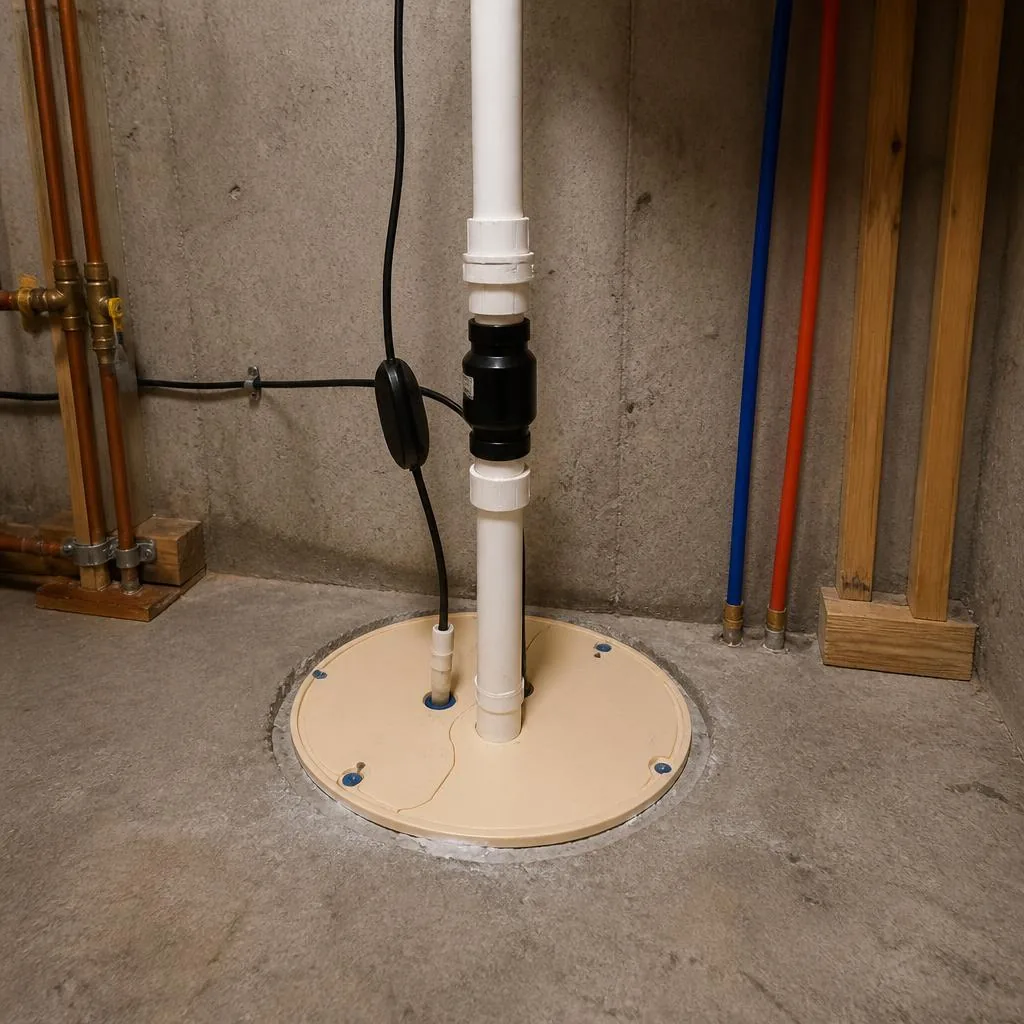
Aroso Plumbing Lawrence diagnoses a sump pump by testing it under real conditions, not by listening to it run dry. We fill the pit, watch the float rise, time the cycle, and check that the check valve holds instead of letting the column of water fall back and retrigger the switch. From there we trace the discharge line to its exterior termination and confirm it is actually clear. Common findings are a seized impeller packed with silt, a float caught on the pit wall or on the power cord, a failed switch on a pump that still hums, an undersized 1/3 horsepower unit running nonstop, and a pit with no lid taking in debris. Amp draw and cycle count tell us whether the pump is dying or simply overwhelmed.
Lawrence gives sump pumps more work than most cities. Low lying blocks near the Spicket River and across much of South Lawrence sit close to the water table, so basements take groundwater through the floor and the wall joint whenever the river runs high or the ground thaws. Stone foundation basements under three deckers leak through the joints in the rubble itself, and low headroom means the pit, the check valve and the discharge all have to fit in a few feet of clearance. Older buildings that added a basement bathroom or a laundry below the sewer line need a sealed ejector pump, not a sump pump, and the two get confused constantly.
Massachusetts treats pumped waste seriously. A sump pump handling clean groundwater discharges to the exterior and may never be tied into the sanitary sewer, while a sewage ejector pump serving a below grade toilet, shower or laundry is regulated plumbing work under 248 CMR 10.00: it needs a gas tight sealed basin, a vent to open air, a check valve and a gate valve on the discharge, and a permit pulled by a licensed plumber. The City of Lawrence Inspectional Services Department issues that permit and schedules rough and final inspections. Homeowners cannot pull it themselves. We handle the filing and meet the inspector.
The failures that catch people out are seasonal and mechanical. In January the exterior end of the discharge line freezes solid, the pump keeps running against a closed pipe, and either the motor burns out or the line blows apart in the basement, so we pitch the line, keep it short and add a relief opening near the foundation. A cheap check valve slams shut on shutoff and sends a bang through a shared stack in a three decker, which is water hammer, not a plumbing leak, and a spring loaded quiet valve fixes it. Backup pumps fail quietly too: an unmaintained battery holds no charge after 3 to 5 years, so it gets load tested, not eyeballed.
Technician insight
The pit lid tells us more than the pump does. When we lift one and find no lid at all, or a scrap of plywood, the pit is full of dust, cat hair and floor sweepings, and that silt is what welds the impeller. The other thing we watch for is a pump sitting flat on the bottom of a rough cut pit, because it pulls grit straight off the concrete every cycle. Setting the pump on a brick or a stand and sealing the lid buys years on the same model that just failed.
A Pump That Would Not Shut Off
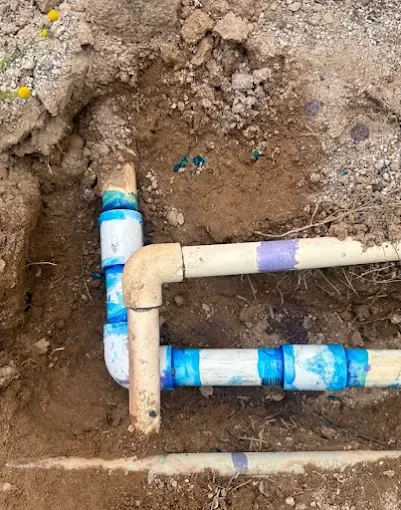
A three decker owner on a low block near the Spicket called because the basement pump had been running continuously for two days and the floor was still wet. The pit refilled almost as fast as it emptied, which pointed at the discharge rather than the pump. We traced the line to a buried elbow in the side yard that had partly separated, so most of the water was going back into the soil beside the foundation and returning to the pit. We reset the exterior run with a continuous pitch and a longer termination away from the wall, then confirmed the pump cycled and stopped on its own.
Sump Pump Services We Offer
Sump Pump Repair
Switch, float, check valve and impeller repairs on a pump worth saving. We test under load and confirm the discharge line is clear before we call it fixed.
Sump Pump Replacement
Correctly sized cast iron or stainless pedestal and submersible replacements, matched to how fast your pit actually refills rather than to what was there before.
Battery Backup Pumps
A second pump on a dedicated battery that runs when the power goes out or the primary fails, which are the two moments a basement actually floods.
Sewage Ejector Pumps
Sealed basin ejector systems for below grade basement bathrooms and laundry rooms added to older Lawrence buildings, installed with proper venting and permitted work.
Check Valve and Discharge Line Work
Quiet check valves, correctly pitched discharge piping, freeze resistant exterior terminations and repairs to lines that have separated or clogged.
Sump Pit and Basement Drainage
Pit installation, resizing and sealing, plus tying interior perimeter drainage and floor drains into a pit that can keep up with the inflow.
How it works
Test The Existing System
Test the existing pump under a filled pit, record cycle time and refill rate, and check the check valve, float travel, power supply and pit condition.
Trace The Discharge Line
Follow the discharge line from the pit to its exterior termination, looking for flat runs, frozen or crushed sections, and illegal connections to the sanitary sewer.
Repair Or Size A Replacement
Recommend a repair or a correctly sized replacement based on measured inflow, available headroom and whether the system handles groundwater or sanitary waste.
Install, Permit And Demonstrate
Install, permit and inspect where sewage is involved, then run the finished system through several full cycles and show you how to test it yourself.
Pricing
What moves the price is the pump, the pit and the access. A straight swap of a submersible pump into an existing, clean pit with sound discharge piping is the low end, generally in the 400 to 900 range depending on the pump you choose, and a cast iron 1/2 horsepower unit costs more than a plastic 1/3 horsepower one because it lasts longer under constant duty. Adding a battery backup with a charger and a dedicated battery typically runs 700 to 1,600. Cutting a new pit in a concrete floor, or working in a stone foundation basement with 5 feet of headroom, adds labor and debris removal. Sewage ejector work costs more than any sump job because it involves a sealed basin, a vent connection, a permit and two inspections. Emergency calls during a storm or overnight carry a higher rate. We look at the pit before quoting anything.
Sump Pump — FAQs