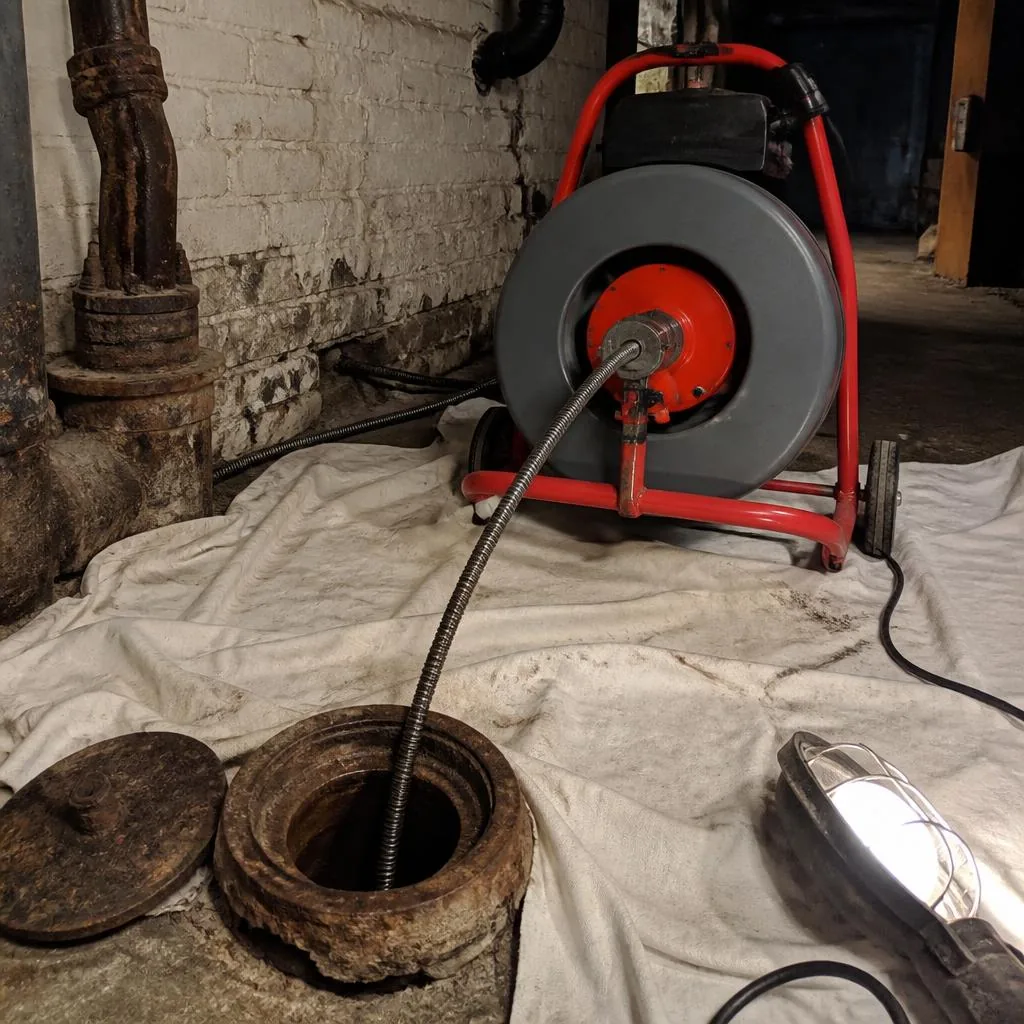
Drain cleaning starts with figuring out how much of the system is actually blocked, because that decides which machine comes off the truck. Aroso Plumbing Lawrence runs water at one fixture at a time and watches what else reacts. One slow bathroom sink with everything else draining normally is a trap or trap arm problem, cleared with a 1/4 inch hand auger through the cleanout under the sink. A tub and a toilet gurgling together points at the branch that serves that bathroom. Everything on one floor backing up at once means the stack or the building drain. We pull the trap where we can, run the cable from the nearest cleanout rather than through the fixture, and then flow test with hot water for several minutes before calling it done.
Lawrence housing stock drives most of what we pull out of these lines. Three deckers and two families built between 1890 and 1920 share vertical cast iron stacks, so a kitchen clog on the third floor backs into the second floor sink, and the tenant who calls is rarely the tenant who caused it. Cast iron scales from the inside out, and that rough scale grabs grease and paper that would slide through smooth pipe. Kitchen branches take the worst of it because three kitchens often feed a single 2 inch line that was sized for one. Basement floor drains in South Lawrence and along the Spicket sit low and silt up with grit every time groundwater rises. Old drum traps and S traps left over from unpermitted remodels catch cables and hold debris.
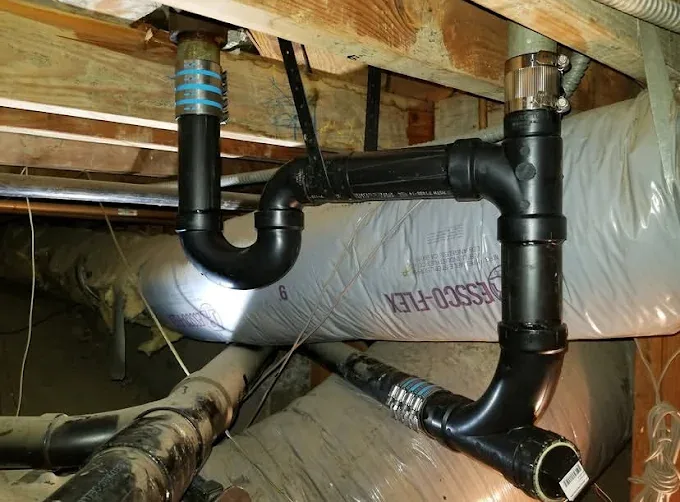
Routine drain cleaning is maintenance and does not require a permit from the City of Lawrence Inspectional Services Department. The moment the fix turns into pipe replacement, it does. If a trap arm, a section of stack, a branch drain or a cleanout has to be cut out and repiped, that is permitted plumbing work under the Massachusetts State Plumbing Code, 248 CMR 10.00, pulled by a licensed plumber and inspected. In Massachusetts a homeowner cannot pull that permit. 248 CMR 10.00 also decides what we are allowed to leave behind. S traps are not permitted on new work, drum traps get replaced rather than reinstalled, trap arm length and fall are fixed by the code table, and an accessible cleanout has to be there. Rough inspection happens before anything is closed up, final inspection after.
The failures that cost people money are the ones that look like a simple clog. A cable will punch a clean hole through a soft grease plug and give you 20 seconds of good flow, which feels like a win until the line closes again in 3 weeks. That is why we pull the head back through with the cutter turning rather than stopping at first drainage. A kitchen line that goes slow again within a month is usually scaled cast iron, not a clog, and no amount of cabling fixes a pipe with a 1/2 inch opening left in it. Bad venting is the other misdiagnosis: a drain that glugs, empties slowly and smells is often a siphoned trap from an undersized or painted over vent, not a stoppage. And a toilet that will not clear with a closet auger frequently has an object below the trap, not paper.
Technician insight
On a three decker I always ask which floor called and which floor is actually flooding, because they are usually not the same. The cable tells you more than the camera does on a first visit: sound cast iron feels smooth and steady, scaled cast iron drags the whole way in and hums, and a soft spot that suddenly lets the head drop means the pipe has already rotted at the basement floor line. I also count turns on the way out. If the cable comes back clean but the line reopens in a week, the blockage was never the problem.
Second floor kitchen backing up in a South Lawrence three decker
A landlord called about the second floor kitchen sink filling up whenever the third floor ran their dishwasher. Running each fixture separately showed the two upper kitchens sharing one branch into the cast iron stack, with the first floor draining fine. We cabled from the basement cleanout with a grease cutter, pulled back through the plug twice and flow tested hot water at both kitchens for several minutes. The line opened, but the cable came back coated in scale rather than grease, so we told the owner the branch is closing up on its own and a camera run should come before the next cabling.
Drain Cleaning Services We Offer
Sink Drains
Kitchen, bath, laundry and utility sink drains cleared through the trap or the branch cleanout with a 1/4 or 3/8 inch cable. Includes pulling and cleaning P traps and checking the trap arm for proper fall.
Toilet Drains
Closet augering to clear paper, wipes and objects lodged in the toilet trapway or the closet bend. If the obstruction is past the flange we pull the toilet and reset it on a new wax ring.
Floor Drains
Basement, laundry and boiler room floor drains cleared of silt, sand and rust scale, with the trap primed and refilled so sewer gas stays out. Common in low lying South Lawrence basements that take groundwater.
Roof Drains and Downspouts
Clearing blocked interior roof drains, leaders and downspout connections on multifamilies and mill buildings, where leaf pack and ice damage cause overflow into wall cavities.
Storm Drains
Cleaning yard drains, area drains, trench drains and the piping that carries surface water away from a building. Kept separate from sanitary drains so nothing gets cross connected.
Main Sewer Drains
Cabling the building drain from an accessible cleanout when every fixture in the building is backing up. Covers the horizontal main inside the structure out to the point where the lateral leaves the foundation.
Sewer and Drain Cleaning
Combined service for buildings with more than one problem line, common in three deckers where a stack and a branch both need work. Each line is cleared and flow tested separately.
Snaking Versus Cabling
Snaking means a small hand held auger for a single fixture. Cabling means a powered drum or sectional machine with cutter heads for larger and longer lines. We tell you which one your line needs and why before we start.
How it works
Isolate the affected line
We run each fixture separately and watch what backs up, gurgles or drains slowly so we know whether the problem is a trap, a branch, a stack or the building drain.
Open the right access point
Wherever possible we cable from a cleanout instead of through a fixture, which protects finishes and puts the cutter head closer to the stoppage.
Cable and cut
We size the cable and cutter head to the pipe, work through the blockage, then pull back through it repeatedly to take the line out to full diameter rather than leaving a channel.
Flow test and report
Hot water runs for several minutes while we watch the line. You get told what came out, what condition the pipe is in and whether cabling is a fix or a stopgap.
Pricing
What moves the price on a drain call is access, line size and how many times we have to set up. A single sink or toilet cleared through an existing cleanout is the low end, often in the 175 to 350 range. Costs climb when there is no accessible cleanout and one has to be cut in, when the line runs through a finished ceiling, when a toilet has to be pulled and reset, or when we are working a shared stack in an occupied three decker and need access to more than one unit. Cast iron that is scaled rather than clogged takes longer and may not stay open, and we will tell you that before you pay for cabling twice. After hours and weekend calls carry a higher rate because the truck and the plumber are dedicated to you. Aroso Plumbing Lawrence gives you the number before the machine comes off the truck, not after.
Drain Cleaning — FAQs