
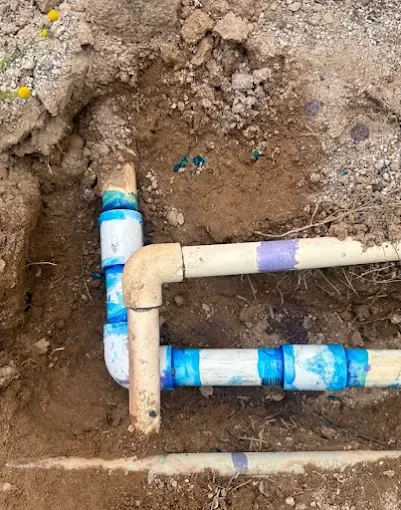
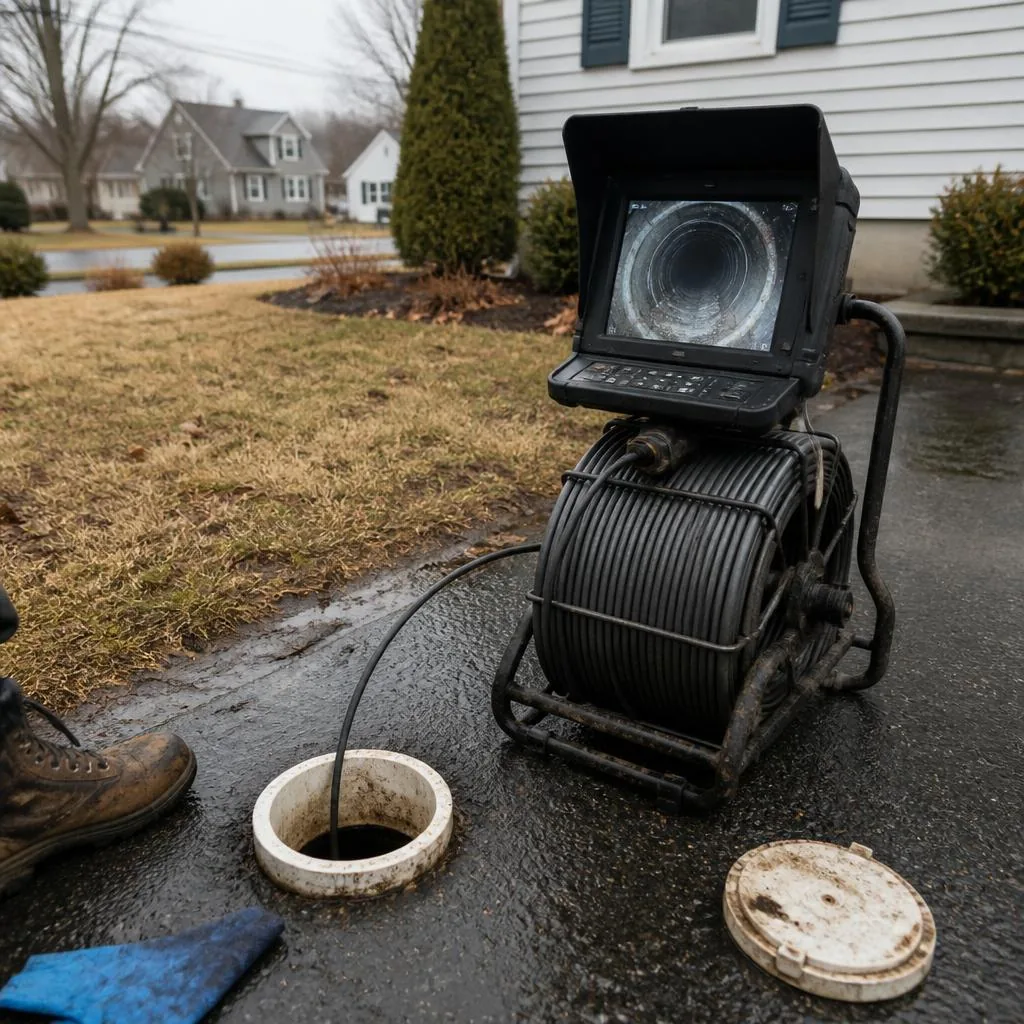
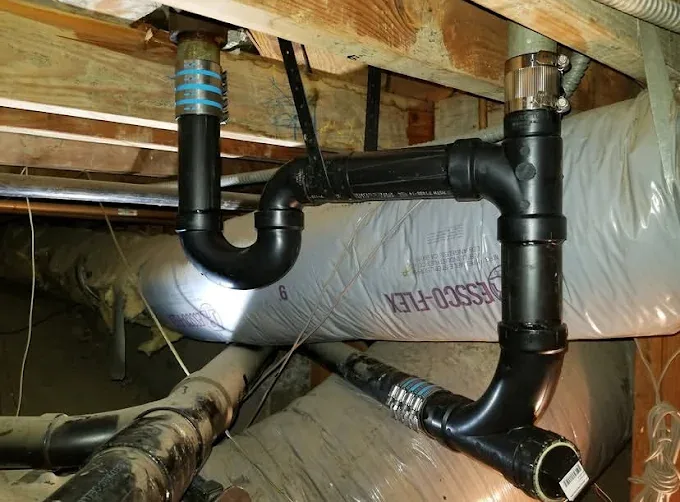
Aroso Plumbing Lawrence starts every excavation above ground, because the cost of the job is decided before the first shovel goes in. We locate the main shutoff and the curb stop, confirm the pipe material at the point where the service enters the basement wall, measure the run from the foundation to the street, and mark the route with a locating transmitter. Dig Safe is notified and the gas, electric and telecom lines are marked before we open anything. We check whether the failure is on the property owner's side of the curb stop or on the city's side, since that determines who pays and who does the work. Then we decide between an open trench and a pull through replacement based on what is actually in the way.
Lawrence terrain decides the method. Lead and lead jointed service lines are still in the ground across the older neighborhoods, and the City of Lawrence and MassDEP have been working through inventory and replacement requirements, which means a service line replacement here often turns into a lead removal. Three decker districts have tight lots, narrow driveways, mature street trees over the lateral, and 6 feet between buildings, so a full size excavator frequently will not fit and the work is done with a mini machine or by hand. South of the Merrimack there is generally more yard and driveway access than on the dense hillside blocks, where the shortest route to the main runs under a sidewalk or a paved parking area.
Permits govern everything outside the foundation wall. Plumbing work on the service and the building drain is permitted through the City of Lawrence Inspectional Services Department and inspected against 248 CMR 10.00, with the trench left open for inspection before backfill. Any dig in the public way requires a separate street opening permit, traffic control, and pavement restoration to the city's standard, and winter moratoriums can affect scheduling. Water service work is coordinated with the Lawrence Water and Sewer Department for the shutoff and the tap. Massachusetts requires the permit to be pulled by a licensed plumber, and trench safety rules apply once depth passes 5 feet.
The hard parts are the ones you cannot see from the curb. Frost depth in Essex County means the new water service has to be buried below the frost line, so winter work is deeper, slower and more expensive, and a line laid too shallow by a previous owner is the reason for a January freeze that no amount of interior insulation will fix. Old services often turn out to be spliced, with a copper section near the house and lead or galvanized further out, so replacing only the visible part solves nothing. We also find services running under an added porch, a slab or a retaining wall that was built decades after the pipe. Backfill matters more than most people expect: poorly compacted trenches settle for years and crack a driveway.
Technician insight
Before we price a dig we walk the route with a probe bar and push it every few feet. On these older lots the top foot is often construction fill from a porch or a garage slab that went in long after the pipe, and you can feel the change. That probe run also tells us where a tree root mass sits, which is usually what decides whether a machine can work the line or two of us are down there with shovels for a day.
A Service Line Under An Added Porch
A homeowner on a hillside block called about a wet spot in the side yard that never dried, even in August. We located the curb stop, confirmed the meter was moving with every fixture shut, and traced the service to a point where it disappeared under a rear porch that had been framed and poured well after the pipe went in. Rather than tear out the porch we set the new line on a different route across the open side of the lot, kept it below frost depth, and abandoned the old run in place. The trench was left open for inspection, then backfilled in lifts so the walkway would not settle.
Excavation Services We Offer
Water Service Line Replacement
Full replacement of the buried supply line from the curb stop to the main shutoff inside the building, in copper or approved polyethylene, buried below frost depth.
Sewer Lateral Excavation
Open cut excavation to expose, replace or reset a failed section of the buried lateral where digging is the right answer rather than a no dig repair.
Lead Service Line Replacement
Removal and replacement of lead and lead jointed service lines, coordinated with the Lawrence Water and Sewer Department and the city's replacement requirements.
Pipe Restoration
Restoring buried supply and drain lines to serviceable condition, including replacing corroded galvanized sections, repairing joints and correcting pitch on a settled run.
Trench and Street Opening Work
Trench excavation, shoring, dewatering and backfill, including street opening permits, traffic control and pavement restoration in the public way.
Exterior Cleanout and Yard Drainage
Installing an accessible exterior cleanout at the foundation so future work does not start indoors, plus regrading and drainage that keeps surface water off the trench line.
How it works
Locate And Identify
Trace the buried line, confirm pipe material at the entry point, mark the route, and file the Dig Safe notification.
Permit And Coordinate
Pull the plumbing permit through the City of Lawrence Inspectional Services Department, obtain a street opening permit if the dig enters the public way, and schedule the shutoff with the water department.
Excavate And Replace
Open the trench with the right size machine for the access available, cut in the new line below frost depth, and connect at the curb stop and the building.
Inspect, Backfill And Restore
Leave the trench open for inspection, compact the backfill in lifts, and restore lawn, driveway or pavement to the required standard.
Pricing
Excavation pricing is driven by length, depth, access and what is on top of the trench. A short water service replacement across an open side yard in South Lawrence is a fundamentally different job from a 60 foot run under a paved driveway on a hillside lot with no room for a machine. Depth is the second factor, since frost requirements and a deep sewer lateral both mean more spoil, more shoring and more time. Surface restoration often costs more than the digging: replacing lawn is cheap, replacing a concrete apron, a brick walk or a section of city street is not, and street opening permits carry their own fees and restoration standards. Rock, groundwater requiring dewatering, unmarked utilities in the trench, and winter frozen ground all add hours. Typical residential water service replacements in this area commonly fall in the 4,000 to 12,000 range, with lead replacement and street work at the higher end, and we set a number only after locating the line and seeing the site.
Excavation — FAQs