Aroso Plumbing Lawrence treats mold as a moisture problem first and a cleaning problem second. We start by finding the water: a weeping supply joint inside a wall, a failed shower pan, a cracked cast iron stack sweating and leaking at the hub, condensation on uninsulated cold lines, or groundwater through a foundation. Moisture meters and a careful look at staining patterns tell us where the water travels, since growth often shows several feet from its source. Then the affected area is contained with sheeting and negative air pressure so spores are not pushed through the rest of the building, and the growth is removed with the material it is growing on where that material is porous. Non porous surfaces are cleaned and dried. Air scrubbing runs through the work, and the space is dried to a documented standard before anything is rebuilt.
Lawrence housing stock keeps mold in business. Stone foundation basements hold moisture in the wall itself, and finished basement walls built tight against that stone trap it behind the finish. Low headroom crawl spaces with dirt floors under older additions stay damp year round. Balloon framed three deckers let moisture travel up inside a wall cavity from a first floor leak to a second floor ceiling. Uninsulated cold water lines running through warm apartments sweat all summer and drip into the framing below, which reads as a leak but is condensation. Bathrooms added into old buildings often vent into an attic or into nothing at all, so every shower puts humidity into the structure.
Massachusetts does not have a state mold contractor license, which is exactly why the plumbing side matters. The repair that stops the water is licensed, permitted work: a repiped supply line, a replaced section of stack, a new trap arm or vent correction, a properly flashed shower drain, all inspected under 248 CMR 10.00 with permits pulled through the City of Lawrence Inspectional Services Department. We do that part as a licensed plumbing contractor rather than sealing a wall over an active leak. For rental property, the State Sanitary Code makes conditions like persistent dampness and mold the owner's obligation, so landlords get documentation of the source, the correction and the clearance readings. Where a loss is large or an occupant has a health concern, independent testing is worth paying for, and we will say so.
The single biggest failure mode is remediation without source correction: the growth is cut out, new drywall goes up, and 4 months later the same stain returns in the same place, because the leak was never found. Second is scope. Mold on the face of a wall usually means more inside the cavity, and cutting only what is visible leaves colonized insulation in place. Third is bleach, which discolors surface growth on porous material without reaching the hyphae in the substrate, so it looks fixed and is not. Fourth is running the job without containment, which spreads spores into clean parts of the building and turns a one room job into a whole floor. And a dry reading on the surface of an old plank subfloor means very little: we read from below when we can.
Technician insight
A test we run before opening anything: wrap a suspect cold line in a paper towel and come back the next day. If it is soaked and the joints are dry, the water is condensation off the pipe, not a leak, and cutting the wall open chasing a fitting wastes a day. That single check has changed the scope on plenty of summer calls in these buildings, where a cold line runs through a warm apartment with no insulation on it at all.
Growth On A Ceiling One Floor Below
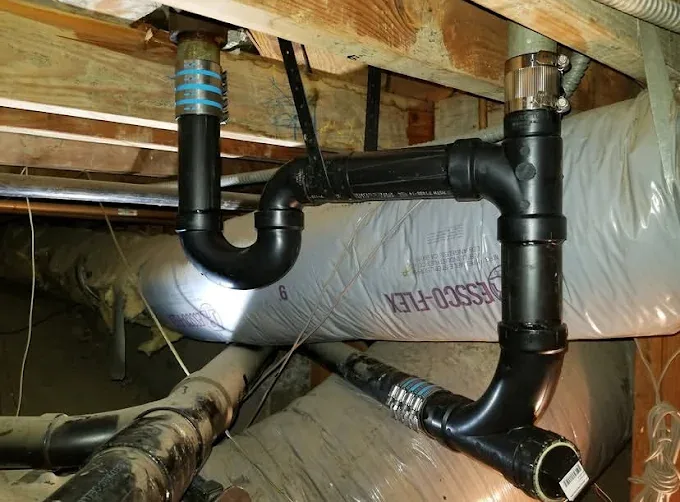
A tenant on the second floor of a three decker reported a musty smell and a dark patch spreading across a bedroom ceiling, with no bathroom or kitchen directly above it. Metering the ceiling and the wall bay showed the wet path running sideways along a joist from a bathroom two rooms over, where a trap arm had been leaking at a slip joint for months. We contained the bedroom, opened the ceiling along the wet bay, and found colonized insulation well past the visible stain. The trap arm was replaced as permitted plumbing work, the space was dried with readings taken each day, and the ceiling was not closed until the numbers held.
Mold Remediation Services We Offer
Moisture Source Identification
Locating the actual water source with meters, staining patterns and plumbing inspection, including hidden supply leaks, condensation on cold lines and failed shower pans.
Containment and Removal
Sealed containment with negative air pressure and air scrubbing, removal of colonized porous material, and cleaning of non porous surfaces before drying.
Post Leak Remediation
Remediation following a known plumbing failure, water heater rupture or backup, coordinated with the permitted repair so the source is closed out first.
Basement and Crawl Space Mold
Work built for stone foundations, dirt floor crawl spaces and low headroom basements, including drainage and dehumidification that keeps the space dry afterward.
Bathroom and Behind Wall Mold
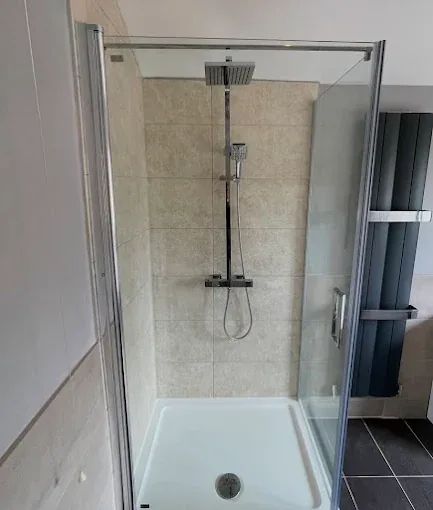
Growth from failed shower pans, leaking trap arms, missing vents and unsealed tile, with the wall opened where the water actually traveled.
Prevention After a Plumbing Failure
Insulating sweating cold lines, correcting venting, adding dehumidification and drainage, and drying to a documented standard before the rebuild.
How it works
Find And Prove The Source
Inspect the plumbing, meter the surrounding materials, and identify whether the water is a leak, groundwater or condensation before scoping any removal.
Contain The Work Area
Seal the space with sheeting, establish negative air pressure, run air scrubbers, and protect the paths in and out.
Remove And Clean
Cut out colonized porous material with clean margins, HEPA vacuum and clean non porous surfaces, and bag waste inside containment.
Correct, Dry And Verify
Complete the permitted plumbing repair, dry the space to a documented standard, take clearance readings, and release the area for rebuild.
Pricing
Cost tracks the size of the contained area, how much material has to come out and how hard the source is to reach. A single bathroom wall opened, remediated and dried is commonly in the 800 to 2,500 range. A full basement with a stone foundation, finished walls that have to be stripped and several days of dehumidification runs considerably higher. Three things drive the number up: containment complexity in an occupied building where tenants stay in place, hidden growth found once the wall is open, and a source that requires real plumbing work such as opening a wall to repipe a supply run or replacing a section of cast iron stack. Crawl spaces cost more per square foot than open basements because everything is done on your knees. We price the remediation and the plumbing repair separately so you can see what each one is, and we do not quote before we have opened enough to know the scope.
Mold Remediation — FAQs